AI-dromen: warme gevoelens of zwetend wakker worden?
Een bloggesprek tussen Valentijn Lemkes en Anneke Keller
Dit artikel is oorspronkelijk gepubliceerd op Dutch IT Leaders, 7 april 2026.

Anneke: ik droom soms over AI, ik vind dat echt mega-interessant. Ik kan er echt plezier aan beleven om te ontdekken welke technologische oplossingen we ineens kunnen maken. Als IT'er in hart en nieren hou ik een beetje van die klassieke technologiepush.
Maar mag ik wel zo dromen? Technologiepush is meestal een slechte strategie. En ja, er is zoiets als security, risico's, governance en compliance. Allemaal terecht. En toch… ik herken dat oude gevoel. Alsof het weer 1994 is en internet net opkomt. Je voelt dat het groot gaat worden, maar je hebt geen idee welke kant het op gaat, en je weet ook nog niet welke risico's er allemaal aan vast zitten.
En de AI-investeringsgolf versnelt opnieuw, wat mij sterkt in deze gedachte. In hun artikel 'The Macro Implications of the AI Capex Boom' voorspelt Bridgewater dat de capaciteit van datacenters in 2028 twee keer zo groot is als nu. Reuters verwacht dat Alphabet, Amazon, Meta en Microsoft in 2026 samen rond de $650 miljard investeren in AI-infrastructuur, tegen circa $410 miljard in 2025.
Hoe is dat voor jou, Valentijn? In 1994 was jij nog niet bezig met internetstrategieën, maar nu zit je midden in deze versnelling. Hoe beleef jij dit?
Valentijn: In 1994 kroop ik net rond op deze wereldbol. En zelfs voor mij lijkt de techniek alsmaar sneller te gaan. Een week vakantie zorgt er al voor dat ik een nieuwe ontwikkeling mis!
Eigenlijk doet het twee dingen met me. Enerzijds zijn de mogelijkheden eindeloos. Zo kun je eindelijk snel die integratie maken en worden dingen die je in je strategie hebt staan heel snel tastbaar. En ook als IT-er kun je lekker vibe coden en anderen hiermee inspireren of makkelijker duidelijk maken wat je nou eigenlijk echt bedoelt.
Anderzijds maak ik me zorgen over de potentiële bubbel, de energiecrisis, fake news en maatschappelijke consequenties — zoals dat veel jobs nu wellicht kunnen worden gedownsized. Zo zat ik laatst bij een pitch en dacht ik opeens: maar voordat dit product is gekocht en geconfigureerd heb ik het zelf al weten te bouwen met AI.
Van platformarchitectuur naar organisatiearchitectuur
Anneke: Wat ik interessant vind, is dat je echt anders moet leren denken. Waar je bij 'klassieke' IT nadenkt over platformarchitectuur, denk je nu steeds vaker in agents: software die niet volledig is uitgeprogrammeerd, maar waaraan je taken kunt geven, die zich daarop aanpast, en die ook onderling kan samenwerken.
We hebben natuurlijk eerder de shift naar microservices gehad. Maar dit is anders: minder op het ontwerpen van een technisch platform, meer op het ontwerpen van een organisatie. Grappig genoeg is dat geen nieuw idee: Conway's Law beschrijft al decennia dat systemen vaak de communicatie- en samenwerkingsstructuur van organisaties kopiëren, dat zal met AI ook wel weer zo zijn.
Alleen draaien we het nu bijna om. Als ik nadenk over oplossingen met AI, merk ik dat de technische oplossing zélf bijna een soort organisatie wordt, met eigen rollen, overdrachten en interacties. En of we het nou leuk vinden of niet: door hun kracht gaan AI-agents de manier van werken van mensen in de organisatie beïnvloeden.
Misschien moeten we het denken over Target Operating Models uitbreiden naar operating models waarin mensen en agents samenwerken. Tot nu toe optimaliseerden we processen voor mensen en pasten we IT daarop aan. Maar als agents een volwaardige rol krijgen in een organisatie, worden ze onderdeel van deze processen. Dan voeren ze daarin stappen uit en controleren andere agents of mensen. Dan moeten we opnieuw gaan nadenken hoe we verantwoordelijkheden verdelen. En hoe bouw je een cultuur in zo'n organisatie?
Agents voelen als collega's, maar zijn het niet. Ze hebben geen gevoel, geen geweten, geen context buiten wat jij en anderen organiseren. Dus als we dit 'organisatiearchitectuur' noemen, moeten we ook durven spreken over leiderschap, rollen, checks en balances. In gewone organisaties noemen we dat governance.
Valentijn: ik zie ook een enorme verandering. Zo ben ik met een team met een multi-agent system bezig. Wij zijn hierin de broker tussen het bedrijf en de klant. Waarbij we proberen nu nog zo dicht mogelijk te blijven bij het huidige businessproces.
Alleen: je ziet bij het implementatievraagstuk al gelijk dat het ook de businessprocessen op korte termijn gaat veranderen — en dat is spannend.
Ik denk zelf graag in beeldspraken. Zo zie ik een toekomst waarbij we straks de agents zelf hun werk laten doen in een agent-mesh. Als je dit vergelijkt met een autonetwerk, kan elke auto zelf kiezen waar die heen gaat, en zal het weggetjes en snelwegen gebruiken. De kunst is dat we de juiste routeborden moeten ophangen en moeten monitoren, zoals politie en Rijkswaterstaat ook doen.
Ik denk niet dat we processen moeten ontwerpen en proberen uit te voeren. We moeten binnen bedrijven vooral openstaan voor de komende veranderingen en flexibel bijsturen. Dat zal betekenen dat we echt een omslag krijgen in hoe we werken, wat wellicht disruptief kan zijn voor onze samenleving.
Dromen zonder gevaren te negeren
Anneke: Als we 'dromen met AI' zeggen, moet er eigenlijk altijd een tweede zin achteraan: 'met mensen in de lead'. AI is niet neutraal. Het kan bias versterken, privacy schenden, intellectueel eigendom raken én onbedoeld onveilig gedrag introduceren in je systemen.
Ik merk dat veel organisaties nu één van twee fouten maken. Ze gaan te snel, zonder spelregels, en nemen daarmee te veel risico's. Of ze gaan te langzaam, omdat ze wachten op perfect beleid, en missen intussen de leerervaring.
In Europa zet de EU AI Act duidelijke kaders neer voor risicocategorieën, transparantie en verplichtingen, met een gefaseerde invoering. Of dat genoeg is moet blijken.
Valentijn: dit vraagt veel van werknemers en werkgevers en van de politiek. Toch moet je versneld meer aandacht geven aan een vorm van pen/agent-testing om je bedrijf constant in de gaten te houden. Helemaal zonder risico is het allemaal niet. Maar wachten op het juiste moment is net zo goed een risico. Immers is stilstand achteruitgang.
Droomhygiëne
Anneke: Ik denk dat 'droomhygiëne' een talent wordt. Klinkt gek, maar ik bedoel dit: als ik met nieuwe technologie dromen waarmaak, maak ik expliciet wat het technische ontwerp is. Benoemen welke aannames ik maak, daarna checken welke data ik nodig heb en of het gebruik daarvan mogelijk is op een goede manier.
Vervolgens kijk ik bewust naar de mogelijke schaduwkant: wie er benadeeld kan worden en hoe we dat snel signaleren. Dan pas kiezen we een klein experiment dat genoeg is om te leren, zonder directe grote gevolgen. Wat proberen we op te lossen, wie helpen we daarmee, welke waarden willen we beschermen, en waar trekken we de grens als het schuurt?
Valentijn: mijn advies zou zijn om een skill of agent te maken om mee te sparren. Zorg dat deze op een veilige omgeving staat en de juiste veiligheidscontext heeft. Daarnaast laat jezelf ook checken door een ander. Bij wandklimmen heb je ook een partnercheck, zo weet je of de dingen die jij in hand hebt veilig zijn.
Anneke Keller is strategisch adviseur en interim-CTO. Valentijn Lemkes is product manager bij Alliander. Beiden zijn initiatiefnemers van NextGen Tech Leaders, Powered by CIO Platform Nederland.
Dream Festival: van verbeelding naar strategie.
Een bloggesprek tussen Gabriëlle Lopes en Anneke Keller
Dit artikel is ook gepubliceerd in het Dutch IT Leaders magazine, Februari 2026
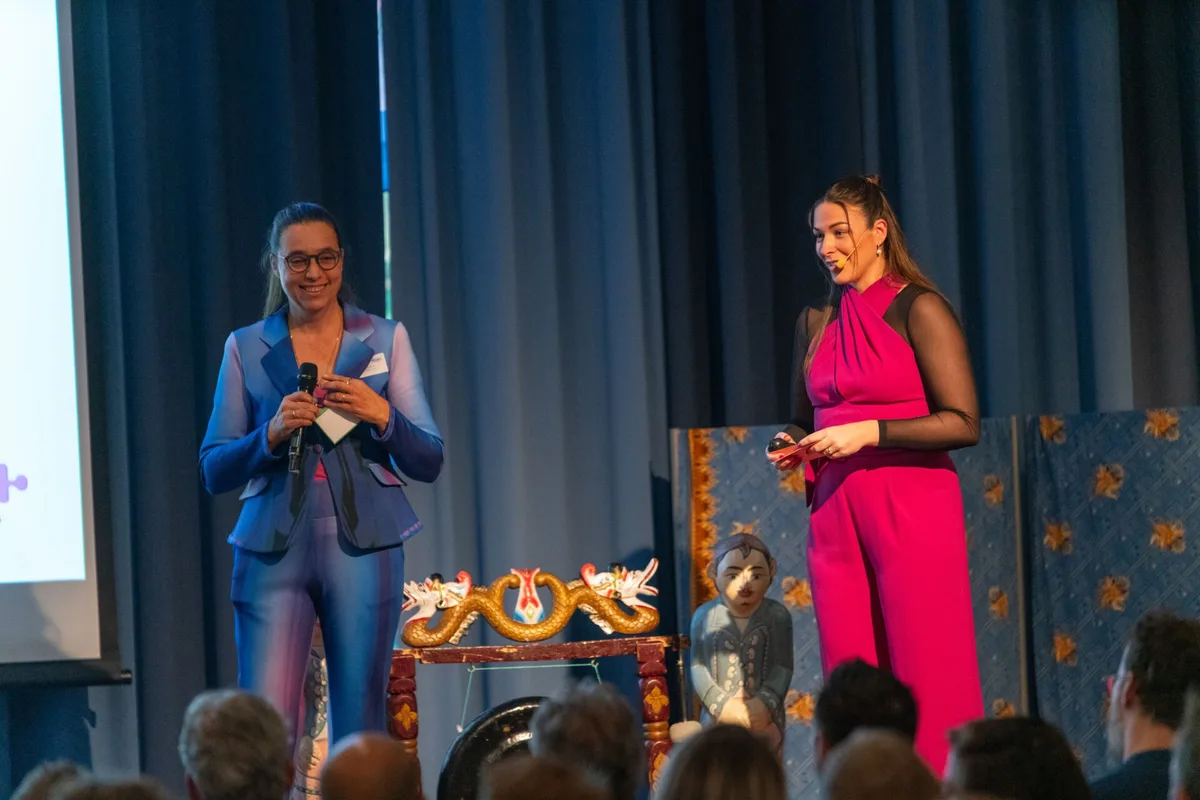
Februari 2026, Ken je ze, sommige meetings als het een beetje tegen zit? Cijfers, cijfers, wat operationele punten en dan nog meer cijfers. De juiste prioriteit wordt wel gesteld, maar je denkt al snel: alles klopt, en toch komen we geen steek verder. We hebben meer ambitie nodig, we moeten dingen anders doen en niet doorlopen op het pad waar iedereen al loopt. We moeten dromen!
Gabriëlle: Daar ben ik het helemaal mee eens, Anneke. Vanaf een afstandje kijk ik naar hoe dit gaat. Traag. Korte termijn. Een leider die, als de druk erop staat vervalt in aangeleerde trucjes en geen lef toont om vooruitstrevend te zijn. Dat zou ik graag anders zien, anders doen. Om de mensen in een organisatie te inspireren. Ze uitdagen om creatief te zijn, zodat we nog betere ideeën bedenken.
We leven in een tijd waarin technologie de spelregels razendsnel verandert. Dan is verbeeldingskracht geen luxe, maar een strategische noodzaak. Het Dream Festival (op 16 april, red.) nodigt je uit om uit de routine te stappen en je horizon opnieuw scherp te stellen. Niet zweverig, maar doelgericht. We gaan het hebben over ambitie, hoe je van een droom een strategie kunt maken en we bouwen aan een netwerk dat helpt te versnellen.
Dromen zijn geen bedrog
Cijfers vertellen wat er is gebeurd, dromen geven richting aan wat er kan ontstaan. Waar dashboards en agile processen vaak optimaliseren binnen het bestaande, legt een goed geformuleerde droom de lat op een veel hoger niveau. Wat is die ultieme droom, misschien wel groter dan we denken te kunnen realiseren? En wat is de eerste stap die we morgen durven zetten? Dan gaan we van rapporteren naar groeien, van beheersen naar vooruitgaan.
Onbegrensd denken opent nieuwe inzichten. Door tijdelijk randvoorwaarden los te laten, zie je kansen en combinaties die eerder onzichtbaar waren.
Wat is dat mantra ook alweer: ‘Als je doet wat je altijd deed...’ Nou ja, je kent het wel. Randvoorwaarden zijn de regels die we voor onszelf bedenken. In mijn beleving zijn regels lijntjes waar je omheen kunt kleuren. Daarom vraag ik mezelf af: Kijk ik op tegen de leider die mij vertelt wat de bedoeling is, wat de regels zijn? Of wil ik leren van diegene die net iets verder durft te denken? Wat voor leider wil ik zelf zijn? Ik kies voor het laatste. Dat geeft vrijheid, autonomie. Dat is soms oncomfortabel, maar zo doen we samen nieuwe inzichten op.
Deze inzichten moet je vangen zodat je ze later kan omzetten in concrete ideeën. Die zullen niet allemaal goed zijn, maar selecteren komt later wel. Maar onbegrensd denken is niet makkelijk, welke methodes zijn er en welke passen bij ons? We gaan proberen daar een antwoord op te vinden en ons brein hierin trainen. Want ja, dat kan!
Samen dromen
Grote ideeën landen wanneer mensen ze begrijpen, voelen en mee willen doen. En grote ideeën worden beter als je voortbouwt op elkaars gedachten. Maar hoe krijg je dat voor elkaar?
We gaan het hebben over inspireren, initiatief nemen, ideeën bouwen en overbrengen.
En hoe kan je daar je omgeving bij helpen en hoe helpt jouw omgeving jou?
Lekker globaal omschreven Anneke, dus hierbij wat concreter. ‘I have a dream', daar begint het mee. We kunnen ons voorstellen dat je dieseltrein lekker op stoom ligt. Het Dream Festival is de plek voor jou om daar even vanaf te stappen, uit te zoomen en te dromen. We inspireren je met sprekers die je hierin zijn voorgegaan, leren je om de droomstand in je brein te activeren en die droom dan te vertalen naar een strategie die jouw en je organisatie richting geeft. Om vervolgens in beweging te komen met een eerste stap.
De kracht van de NextGen Tech Leaders Community is dat we het samen doen. Geen wij versus zij, maar het omarmen van beide perspectieven. Dat we in openheid en met oprechte nieuwsgierigheid van elkaar leren. En tegelijkertijd bouwen aan een vooruitstrevend netwerk.
Yep, creativiteit wordt steeds meer gezien als een sociaal proces, en niet alleen als een cognitieve uitdaging. Research toont bovendien consequent aan dat in organisaties waar mensen samenwerken beter presteren dan organisaties waar het sociale weefsel zwakker is.
Van ambitie naar realiteit
Een droom wordt pas waardevol als er echt aan gewerkt gaat worden. Daarom gaan we zoeken naar het kleinste experiment wat kan zorgen dat we ons idee kunnen testen. Dat kan een proof of concept zijn, een pilot met een hele kleine klantgroep of een eerste kopje koffie met een mogelijke samenwerking. Klein is niet per se voorzichtig, en het is precies genoeg om tractie te krijgen en te toetsen of je op de goede weg zit. Niemand bouwt alleen. Tijdens het festival ontmoet je mede-bouwers, kritische denkers en mensen die deuren openen. We verbinden talent met ambitie. Een droom aan de uitvoering.
Waarom je erbij wilt zijn?
Omdat je voelt dat strakkere roadmaps niet automatisch meer impact opleveren. Dat de zogenaamde “big hairy goals” waar vaak mee geschermd wordt, loze targets zijn als er geen droom achter zit. Omdat je visie ziet als verantwoordelijkheid en als antwoord op de snel veranderende (tech)wereld. En het beter wilt achterlaten dan dat je het getroffen hebt.
Omdat je gelooft dat leiderschap wel een likje ambitie kan gebruiken. Je frisse ideeën hebt die je graag in een boardroom zou brengen. Jij die kwaliteiten hebt, maar nog niet het netwerk. De overtuiging draagt dat jij een positieve impact kan maken op de maatschappij. Of je wilt leren van de huidige generatie leiders.
Kom om samen te dromen, dromen onder woorden te brengen en in beweging te krijgen.
Gabriëlle Lopes is Release Train Engineer bij Stedin en zelfstandig spreker en facilitator.
Anneke Keller is strategisch adviseur en interim-CTO.
"Ook AI gaat IT’er niet overbodig maken"
Dit interview met mij door Martijn Kregting is oorsponkelijk gepubliceerd in het Dutch IT Leaders magazine
Februari 2026, Anneke Keller heeft de afgelopen decennia een aardig trackrecord opgebouwd als IT-beslisser bij organisaties van Wehkamp en KPN tot Jumbo en Coolblue. Inmiddels zet zij haar ervaring in als interim CTO en is ze mede-initiatiefnemer van Next Gen Techleaders, dat de volgende generatie IT-beslissers een platform en gemeenschap moet bieden om met elkaar in contact te komen. Dutch IT Leaders sprak met Keller in de coulissen van de Retail Ronde Tafel van Mybrand Conclusion afgelopen september: over haar initiatief, maar ook hoe zij aankijkt tegen de enorme veranderingen die er de komende jaren op IT-gebied aankomen en hun impact op de toekomstige IT-beslisser.
Is de impact van technologische ontwikkelingen op organisaties groter geworden en versneld als je dat in jouw werkzaamheden in CIO/CTO- en vergelijkbare rollen beziet bij organisaties als Jumbo, KPN, Coolblue?
“Toen ik bij KPN werkte, was er al wel internet, maar waren de werkprocessen nog traditioneel. De IT-ontwikkeling was trager, de computercapaciteit en rekenkracht was geringer, het duurde gewoon langer voordat je impact maakte op je gebruikers en de organisatieprocessen. De veranderbereidheid was vaak lager, juist omdat verandering vaak langzamer ging en meer tijd in beslag nam. Er zijn sindsdien twee versnellingen geweest op het gebied van automatisering.”
“De eerste versnelling begon rond 2007. Ik merkte er de impact van toen ik bij TomTom en later Coolblue werkte. In deze versnelling werd op schaal DevOps ingezet - een samenwerking tussen softwareontwikkeling (Dev) en IT-operations (Ops) om sneller en efficiënter software te leveren door middel van communicatie, samenwerking en automatisering. In plaats van elke drie maanden een grote release voor een nieuwe of bestaande toepassing of systeem, kwamen er elke dag kleinere releases voor een veelheid aan toepassingen aan systemen. Dat zorgde voor een enorme versnelling van de impact van softwareontwikkeling. Dat was een grote stap vooruit. Werkprocessen werden efficiënter, maar ook de feedback van gebruikers – medewerkers en klanten – kwam veel sneller.”
“De tweede versnelling vindt nu plaats. AI zorgt ervoor dat we veel sneller kunnen coderen, maar AI heeft je op een gegeven moment misschien ook niet meer nodig voor de bulk van het programmeren. We zijn daar nog niet helemaal, maar dit kan snel realiteit worden. Dat betekent niet alleen dat softwareontwikkeling nog sneller plaats vindt, maar ook dat er veel meer ontwikkeld kan worden. Er komt een moment aan dat dit echt exponentieel gaat toenemen. Een beperkende factor zal tegen die tijd de rekenkracht zijn – en de kosten in geld en energie - die je als bedrijf kunt organiseren, niet langer de applicatieontwikkeling. En ook de veranderkracht van een organisatie zal beperkend zijn. Welke van de twee de grootste drempel gaat vormen de komende tijd, weet ik niet zeker.”
Je zegt dat veranderbereidheid vroeger geringer was dan nu. Is die veranderkracht onvoldoende meegegroeid met de versnelling van automatisering en digitalisering in organisaties?
“Het hangt heel erg van cultuur en organisatievorm af. DevOps vindt niet in een vacuüm plaats. Je kunt als IT-afdeling alleen met een echte DevOps-funnel werken wanneer de organisatie er al klaar voor is dat je op een hele andere manier gaat releasen, van een paar keer tot een paar honderd keer per dag. Twintig jaar geleden was er bij een grote release een heleboel communicatie omheen, werden er trainingen gegeven, alles om ervoor te zorgen dat de gebruiker ermee om kon gaan. Maar als je 30 keer per dag een release hebt, is daar natuurlijk geen beginnen aan. Op een gegeven moment kom je in zo’n DevOps-flow als hele organisatie. Dan gaat de veranderkracht van die organisatie ook enorm omhoog, omdat gebruikers eraan gewend zijn dat applicaties voortdurend – op kleine schaal – veranderen. Innovatieve organisaties hebben die slag als eerste gemaakt, waarna de bulk volgde.”
“Ik verwacht dat voor de komende versnelling organisatievormen ook weer aangepast moeten worden. Automatisering en digitalisering zal opnieuw zoveel sneller gaan dat je als organisatie hier echt moet kijken hoe je mensen en je processen hierin mee kunnen gaan. Veranderkracht zal in het begin weer een beperkende factor zijn, maar zeker bij innovatievere organisaties zal dit vrij snel opgelost worden. Dan blijven de rekenkracht, beschikbare energie en de kosten over als beperkende factor.”
Veel kleinere organisaties zonder DevOps-teams zijn niet meegegaan in de eerste versnelling. Hoe kunnen zij in die AI-versnelling meegaan?
“Ik heb natuurlijk veelal bij grotere, vaak innovatieve organisaties gewerkt en daar de IT-ontwikkeling meegemaakt. Het afgelopen jaar heb ik wel als interim bij een kleinere organisatie meegelopen, een onderzoeksinstituut. Het voordeel van zo’n kleinere organisatie kan juist de kleinere omvang zijn, die vaak gepaard gaat met meer flexibiliteit. Dat kan op zich al de veranderkracht ten goede komen, ook al heb je nooit aan DevOps gedaan tot nog toe.”
“Maar ik kan me voorstellen dat je als enige IT’er in een klein mkb-bedrijf echt niet in staat bent om alle DevOps- en AI-ontwikkelingen bij te benen. Als je accepteert dat je als mkb-bedrijf twee of drie jaar achter de voorlopers blijft, maar dan wel alle best practices kan gaan gebruiken, kun je ook als kleine organisatie snel meekomen. Niet iedereen hoeft een early adopter te zijn. En het is niet zo dat medewerkers inmiddels niet gewend zijn aan snelle veranderingen. Hun smartphone heeft bijvoorbeeld telkens weer nieuwe mogelijkheden. Daar raak je ook aan gewend en dat maakt acceptatie en adoptie van snellere veranderingen in bedrijfssoftware ook eenvoudiger.”
“Ik maak me wel zorgen over grote organisaties met veel legacy, die niet meegegaan zijn in die eerste versnelling via DevOps en niet de flexibiliteit van kleinere organisaties hebben. Hoe moeten zij meegaan in de nog snellere veranderingen die eraan komen door AI? Het gat tussen hen en hun innovatieve tegenhangers is al groot en zal nog groter worden.”
“Overigens kan AI-technologie misschien ook voor veel legacy een oplossing bieden. Als er niet genoeg mensen meer zijn die met Cobol kunnen werken, kan een AI-agent dit misschien wel. Op die manier zou je dan toch geleidelijk aan de overstap van legacy naar nieuwe IT kunnen maken. Natuurlijk altijd met mensen in de lead.”
Kan AI digitale technologie toegankelijker maken voor mensen die geen IT’er zijn maar wel meer op IT-gebied willen betekenen voor hun organisatie? Hebben we dan straks geen IT’ers meer nodig?
“Ik denk niet dat AI ervoor zorgt dat iedereen zomaar in staat zal zijn om zelf IT- of digitale oplossingen te maken. Bij elke technologische sprong voorwaarts werd geroepen dat er ‘straks geen IT’ers meer nodig zijn’. Uiteindelijk hadden we alleen maar meer IT’ers nodig. Ik denk niet dat die noodzaak verdwijnt met de technologische sprong voorwaarts van AI. De inhoud van het vak gaat wel veranderen. Je kunt je straks als IT’er niet meer alleen op hardcore technologie focussen zonder soft skills. Samenwerking met de business wordt steeds belangrijker. Maar ik denk dat het technische brein dat in staat is om te bepalen of soft- of hardware ook echt werkt, een talent blijft waar we er steeds meer van nodig hebben en er veel te weinig van hebben.”
Jij en enkele collega’s proberen de volgende generatie tech-beslissers te verbinden met de huidige generatie. Kun je meer over dat NextGen Tech Leaders-initiatief vertellen?
“De andere initiatiefnemers en ik - Hylke Sprangers, Willem Roskam en Rini van Solingen (zie kadertje onderaan, red). – zaten ruim een jaar geleden bij een CIO/CTO-event en we dachten: hier zitten wel erg veel vijftigers. Dat is bij veel van dergelijke bijeenkomsten het geval. Er zijn veel bijeenkomsten en communities voor het C-level – de eindbazen van de IT. Wij vinden elkaar echt wel. Maar we missen hier de jongere generaties. We hebben toen een flink aantal van die twintigers en dertigers gebeld en gevraagd of zij elkaar niet hoeven te zien, of misschien op een hele ander manier netwerken. Daaruit kwam vrijwel unaniem naar voren dat iedereen in de eigen bedrijfsbubbel zit en weinig tijd heeft om daaruit te komen en lotgenoten te ontmoeten. Men wil dat wel graag: elkaar ontmoeten op inhoudelijke events en daar kennis en ervaring uitwisselen. Reden voor ons vieren om bij CIO Platform Nederland aan te kloppen en samen de community NextGen Techleaders op te zetten: voor én met de volgende generatie tech leaders.”
“We gaan ook events organiseren als middel om dit doel te bereiken. De kick-off is op 30 oktober in Arnhem – het Failure Festival 2025 - waar zo’n 150 NextGen tech leaders bij elkaar komen. Het Ministerie van Defensie is onze gastheer, omdat ook zij die jonge generatie willen bereiken. De opzet is niet commercieel, het gaat echt om de inhoud en om het bouwen aan een community. We gaan drie events per jaar organiseren en we blijven hier als initiatiefnemer bij betrokken. Maar we koppelen hier een Programmaraad aan waar we zoveel mogelijk van die volgende generatie IT’ers in willen krijgen. Zij gaan straks bepalen welke kant we uitgaan, want uiteindelijk is dit initiatief voor hen bedoeld.”
NextGen Techleaders is een initiatief van:
- Anneke Keller, Interim CTO & Board member o.a. bij LinkIT, WWF en BrandMR (voorheen CTO Wehkamp en PostNL) (https://anneke.com/).
- Hylke Sprangers, Executive Director & University Lecturer Erasmus & Board member bij Maandag (voorheen CTO Talpa Network).
- Willem Roskam, CTO Efteling (voorheen CTO NPO).
- Rini van Solingen, Professor Delft University of Technology, CTO Prowareness & Board member o.a. bij Momo Medical.
Het Failure Festival 2025 vindt op donderdag 30 oktober 2025 plaats op Landgoed Bronbeek, Arnhem.
Meer weten: kijk op https://www.nextgentechleaders.nl/
Tijd voor een nieuwe generatie tech leiders
November 2025, Anneke Keller (foto), interim CTO, toezichthouder, public speaker, co-auteur “The Cherry Model" en voormalig CTO van PostNL en Wehkamp & Hylke Sprangers is Professor Technology & Innovation en voormalig CTO van Talpa Network
"Zou je meer willen leren over leiderschap?" Die vraag stelden wij aan een zorgvuldig geselecteerde groep jonge technologieleiders: dertigers met ambitie, talent en drive, door ons 'NextGen Tech Leaders' genoemd. Het antwoord was unaniem bevestigend. Bemoedigend, maar de vervolgvraag gaf te denken: "Spreek je regelmatig vakgenoten bij andere organisaties?" Het overgrote deel antwoordde ontkennend. Deze groep wil dus wel leren, maar zit in een bubbel en beweegt zich nauwelijks buiten de eigen organisatie.
In de praktijk werkt de IT-wereld nog sterk langs de lijnen van leveranciers en klanten. IT-eindverantwoordelijken worden veelvuldig uitgenodigd voor diners, rondetafelgesprekken en sportevenementen met een commercieel doel. Jong talent komt daar niet tussen, want zij dragen zelden de titel die toegang verschaft. Ook professionals bij start-ups of leveranciers blijven daardoor binnen de eigen muren.
Een recente studie van McKinsey over kunstmatige intelligentie laat zien dat bijna alle organisaties experimenteren met AI, maar dat minder dan 10% hiermee substantieel waarde creëert. Eerder concludeerde Randstad in hun Workmonitor dat oudere generaties AI vaak als bedreiging zien, terwijl Generatie Y en Z deze technologie juist omarmen in hun werk. In de IT wereld hebben we de jongere generaties dus hard nodig, maar ons huidige systeem maakt het doorbreken van jong talent lastig.
Om die kloof te dichten, is een onafhankelijk netwerk voor jonge technologieleiders opgericht: de NextGen Tech Leaders community. Het initiatief wordt gedragen door ervaren leiders en hoogleraren, in samenwerking met het CIO Platform Nederland en natuurlijk met NextGenners zelf. De community verbindt huidige en aankomende technologieleiders, versnelt kennisdeling en zet leiderschapsontwikkeling op de agenda. De opzet is expliciet niet-commercieel. De aftrap vond plaats op 30 oktober met een Failure Festival over leren van tegenslag. De belangstelling was groot: 150 deelnemers, uitverkocht, met een aanzienlijk deel uit de beoogde doelgroep van jonge technologieleiders.
Technologie
Dat past bij het beeld uit het onderzoek: hoge bereidheid om te leren, gecombineerd met beperkte toegang tot een onafhankelijk netwerk buiten de eigen organisatie. Als we de technologische vernieuwing in Nederland willen bijhouden, kunnen we het ons niet veroorloven dat talentvolle leiders in hun bubbel blijven. Generatie Y moet haar rechtmatige plek opeisen in het technologisch leiderschap van vandaag. Generatie X moet daarvoor het pad effenen door actief te coachen, netwerken open te stellen en eigen lessen—ook de pijnlijke—te delen. Technologie vormt het hart van vrijwel elke onderneming, en met de huidige vernieuwingsgolf hebben we deze jongere generatie hard nodig in leiderschapsposities. Vertrouwen geven, toegang organiseren en onafhankelijk verbinden is daarom geen gunst, maar een randvoorwaarde voor de groei van alle Tech Leaders.
Door: Anneke Keller, interim CTO, toezichthouder, public speaker, co-auteur “The Cherry Model" en voormalig CTO van PostNL en Wehkamp & Hylke Sprangers is Professor Technology & Innovation en voormalig CTO van Talpa Network
Bronnen:
McKinsey, “The State of AI in 2025"
Randstad, “Workmonitor 2024”
A farmer won’t eat what he doesn’t know (internationalisation)
June 2016. I know, this is a Dutch proverb that doesn’t work in English.
It means you dislike things, even though you haven’t tried them. Usually for no particular
reason. This blog is about how we internationalized the IT department of Coolblue, and how we
taught the farmer to broaden his horizon.
How international is our team? Around 28% of our 150 developers don’t have a Dutch passport. Two years
ago this number was 0%. That’s quite a change! Right now, we’ve got 26 different nationalities,
covering all continents. The reason we’re so bent on recruiting is quite simple. We needed to
strengthen our IT department, but there weren’t enough tech wizards with the required skillset
available in the Netherlands. That’s why we started recruiting all over the world.
Internationalization brought with it the necessary changes. Obviously, new languages were introduced.
But it didn’t stop there. Our new colleagues had to make some big lifestyle changes when they started at
Coolblue. Most of them directly immigrated to the Netherlands from their home country. Some brought their
families with them, including children and even pets. They didn’t just change work environments, they
changed their entire lives. Including those of their loved ones. To make the transition as easy as
possible for everyone involved, we had to make quite some changes as well.
First of all, we adopted English as our main language. Formal communication such as e-mails, shared documents,
monthly updates and various meetings immediately had to change. This was a struggle at first, because all of
the translations proved to be a lot of work. Moreover, not everyone was immediately comfortable with having
to speak English. Over time, we got better, and the effort was appreciated by the newcomers. Even if our
English wasn’t perfect. For the Coolblue employee who didn’t speak English that well, we started organizing
English classes, in order to improve. After two years, these classes are still frequently attended
by new colleagues.
Our HR support, Corinne, has been a pillar of strength throughout all of these changes. After moving here,
we want to make sure that our international newcomers still have the energy to get used to their new work,
colleagues, and environment. That’s why Corinne helps them with everything else. Things such as booking flights,
applying for a visa, administration, finding a place to live, and Dutch taxes. When we started internationalizing
two years ago, most of these things were new to her as well. But now, thanks to all of Corinne’s effort, she’s
the person all internationals turn to. We couldn’t do without her!
Dutch classes are another initiative that is popular among the non-Dutch speakers. We have courses on different
levels, and they are held during evening hours in groups of around ten people. Classes can be freely attended by
Coolblue employees and their partners. Besides learning Dutch, these classes double as social groups for migrated
families. This way, they’re able to make new friends, and get to know more about each other. Moreover, these
trainings are held at the office, so family and partners get to learn more about the company as well.
Similar to the switch in language, we immediately mixed up our teams. Basically, we chose the best man/woman
for the job, independent of their primary language. Soon after, many teams became ‘mixed’ and started communicating
in English. Currently, there are only a few Dutch teams left. Our next step was hiring internationals for management
positions. This quickly eliminated any divisions between being ‘Dutch’ or ‘non-Dutch’ so that everyone felt taken
seriously. We developed our very own melting pot, and we started to feel proud of the fact that we were part of an
international team.
Does this mean we’re done with developing new initiatives to simplify the transition from a Dutch team to an international
team? Of course not! As we like to say at Coolblue, “a bit better every day.” So we trying to do things better. Our
latest initiative is the intercultural class, in which we learn about cultural differences. With all these different
nationalities in our team, we like to find out if we can improve ourselves through understanding each other better.
This project will take the form of a workshop, so we expect it to be fun as well. We’re not sure if it’s going to work,
but I promise to blog about it when we’ve tried.
So, did we succeed in our mission to make the farmer try new things? After two years it might be a little bit soon to
say, but so far it looks promising. Sometimes, people decide to go back to the country they come from. Only a few though,
you can count them on the fingers of one hand. Furthermore, we often measure how satisfied our colleagues are at Coolblue,
and the results are always very positive. In this survey, Coolblueians mention their co-workers as one of their favorite
reasons for coming to work.
I think we can confidently say the farmer is trying new things, and that he even likes the taste!
Thanks for reading. If you’re also planning to welcome internationals into your team, or if you have any similar or other
experiences in your (IT) team, I would love to hear it!
An internet love story
This story takes place from March till June 1995. At that time internet wasn’t commonly used,
at least not among my friends. I was studying Industrial Design at the Technical University
of Delft. I was in my 4th year when I took an internship at Philips in Eindhoven. I was working at the CD-i
department of Philips (Philips Media). CD-i stood for Compact Disc Interactive and it used to be a competitor
of the CD-rom.
This was the title of my thesis: The WWW? What is it and what can Philips Media do with it?
I stumbled upon my old paper recently and I had so much joy reading it again, I thought it was a good idea
to share. To be honest, my research wasn’t very sophisticated, but the way I described what I did made
me realise how interesting it was to “discover” the internet.
Explaining the internet
Let me start at the beginning, at my introduction paragraph. I use the words “homepage” and “provider”.
Words we now use commonly and without hesitation. But I felt I had to explain them back than. The funniest
one is my description of a link: “a link is often a blue word that you can click with your mouse. When you
do that, you get another screen with more information about the subject”. Not sure if this is a very proper
definition of a link. But hey, I didn’t have wikipedia to look it up!
In the first chapter I start explaining what the internet is. And despite the fact that you could doubt if
it was relevant for my research, I start with a picture of the internet physically. Apparently I felt that I
needed to make the internet somewhat realistic for my readers to grab the concept, or maybe I did it to make
it more understandable for myself.
Some stats I collected of May 1994:
- 20 countries connected to the M-bone
- 904 routers in the entire world
- 2 internet providers in the Netherlands
Connecting to the internet
The next step was to investigate what you could find on the internet, but for that I first had to actually
make my internet connection work. It wasn’t easy to arrange! I had arranged a 14k4 modem, a phone line and an
account that could connect me to the IAEHV, one of the first internet providers in the Netherlands (I think it
stands for Internet Access Eindhoven). So far so good. But after I had figured out what cable to connect where
and what to configure, still everything didn’t work. With some help from my provider, I found out that I needed
a phone line which wasn’t connected to the phone system of the department. The switchboard messes up your 14K4
modem when you start dialling. It took me a lot of time to arrange this new separate line since it was against
‘company policy’. I had to convince some people to order it for me that had no clue what I was talking about.
But, after three weeks, I got it to work. I was so proud of myself! I still remember vividly the first moment
“de digitale stad” (www.dds.nl) loaded onto my screen. For your reference, this is what I was excited about,
and it took probably a minute or so to load:
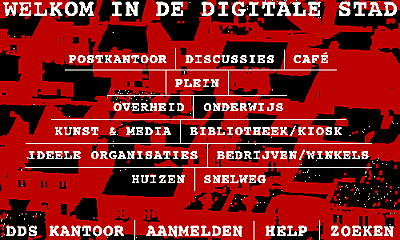
My first internetpage
Internet overview
From that day on I started surfing the internet, for 2,5 months and I really loved it! I visited a huge amount
of pages so that I got an overview of what was on the internet. This sounds weird maybe, but it was actually
possible back then. I made a nice grid that divided the content on the internet in 6 categories and I made a
lot of screen dumps to show to people that didn’t have an internet connection. My professor and the department at
Philips I worked for loved it! After almost three months I really had the feeling that I had seen all the important
content of the internet and categorised it.
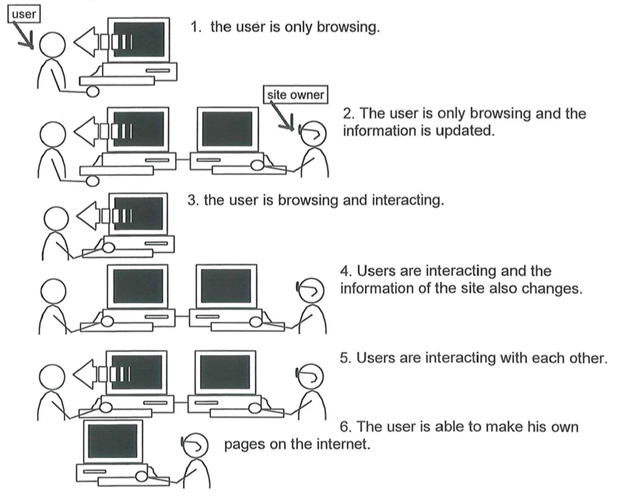
My ‘internet overview’
Internet usage
Besides my “internet-content” research I also interviewed internet-users. These were early users of the internet,
mainly working or studying at the university of Delft. It wasn’t a big group that I interviewed, but still the
exercise gave some nice insights. As you can see in the overview of the results below, communication was a big part
of at least the group I interviewed. Also finding content was really different, search engines weren’t invented yet.
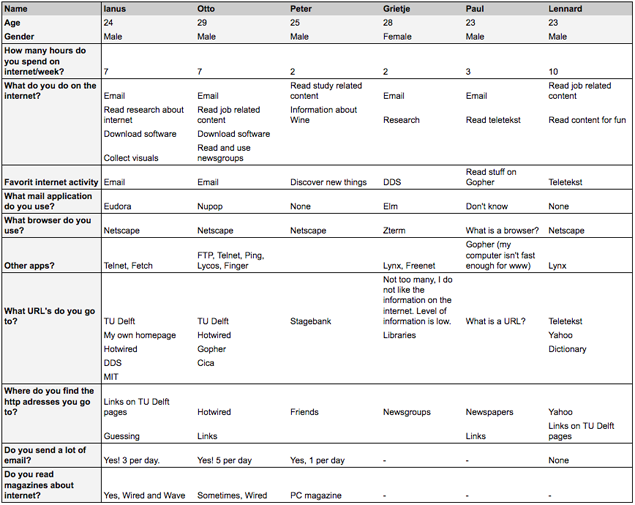
Conclusion
After investigating the physical aspects of the internet, making an overview of the content and investigating
what people actually used the internet for, it was time for a conclusion. I am actually pretty proud of what I wrote down:
- The internet will probably become pretty important in the future.
- Communication is a very important part of the internet
- Philips should integrate internet in its products
- Philips should make a Philips homepage on the internet
After more than 20 years I can happily say that Philips followed all of my advices! I am pretty sure though that this
had nothing to do with my research :).
I hope this story gave you some idea on how we looked at the internet in 1995.
Team-culture, the importance of ‘how to get there’
August 2021. Since long I wanted to write a story about the importance of the right mindset in a team and I think, this is the right moment. Besides the fact that I am on holiday and I find it relaxing to write about some stuff that is om my mind. The Olympics are just over in which Sifan Hassan fell in one of the first qualification rounds, stood up, kept going and won a medal for all 3 disciplines she participated in. Also Abdi Nageeye won a silver medal at the Olympic marathon, meanwhile motivating his best friend Bashir Abdi from Belgium to win bronze, which he did. And finally Gianmarco Tamberi and Mutaz Essa Barshim choose to share a gold medal. And although I am normally not a big sports-fan, those events inspired me a lot.
Starting at Wehkamp
I started working at Wehkamp at the beginning of this year. I used to work at Jumbo, a big supermarket chain in the Netherlands and in the food business it is very busy around Christmas. So I didn’t want to switch jobs just before that and work with our team through the Christmas period so that in the quiet period that normally follows after that I could switch to another company. My idea was also that by then we would work in the office again and I could make time to meet my new team and start relaxed with my new job.
Well, I was wrong, as you probably noticed already. In January 2021 we weren’t back in the office but in the middle of the second COVID wave and working completely from home, also the physical shops were closed, so this relaxed period I was hoping for turned out to be the opposite and I started working in a super-busy E-commerce company from the exact same chair as I was working already for months, which was a weird experience.
So things were different than I expected, getting to know my new team was (and still is) hard. Somehow meeting people online is still different than in real life, which wasn’t helping me to start. Still, I did my best to talk to as many people as possible and luckily vaccinations went fast in NL and currently we can meet each other at the office once in a while.
Cherry model
In earlier blogs I have written about organisation structures that are scalable and flexible and work well with agile processes (for example this blog about the cherry model). Within Wehkamp we have transformed into a more flexible organisation structure in the last months. This is all nice, but in the end we want to be effective. And a good process and structure alone don’t make that happen.
Back to the Olympics, why is the story of Sifan Hassan, the two high-jump gold medalists and the story of Abdi Nageeye inspiring? Because they won gold and silver medals? Well this is a great achievement, but there were more winners. The reason it is the way they won them. How Sifan found the strength to continue after she fell and Abdi wanted to win together with his friend. It is not only about their results.

I believe this is also important when working in a team. It is not only the KPI’s or project planning you want to make, it is also about how to get these results as a team working synergetic together and about recovering fast after you have failed.
Why is this important? Well because if you only focus on results, this is mainly short term goals you’ve set for yourself or your team. If you want to work sustainable together for a longer time you also need to spend time on things that matter for the longer term.
Changing a culture
Pointing out that growing a great culture in a team is easy, the trick is to find out how. Making it happen is hard. Also this works different in different teams, at least that is my experience. But there are a few things that I’ve tried out which helped me.
As Stephen R. Covey says in his book “The 7 Habits of Highly Effective People” the only person you can really influence is yourself, so if you want to be effective see how you can pro-actively react to the people around you. To make it practical to work for me, I’ve translated that in that I should always try the best I can to give the right example of what I believe is good for the team-spirit in my team. Please note that I said ‘try’, I am not claiming that I always succeed in that :). One of the things I find really important for a team is that we work together well, don’t blame each other and learn from our mistakes. So to give an example, when a release has failed and systems have been down, we organize a post mortem (sort of evaluation). I try to avoid the discussion about who made the mistake, that’s not relevant the person/team probably knows her/himself. But I like to talk about what the reason for the mistake was, what the root cause was, how, as a team, we could have solved it quicker and how we can avoid it next time.
I believe that a big factor in building a culture in a team is by thinking hard about who should join the team, or which people should work together. So, for a big team, how to divide it in smaller (often scrum) teams. So I always try to think hard about the recruitment process we follow, who is talking to the new candidates, what kind of questions we ask, what answers we expect and how to making sure we have a proper discussion on who we choose as new teammates in our team. New members shouldn’t only be good at their technical skills, we also expect quite some level of soft skills for example. They should be fun to work with!
There are a lot of good books written about how the human mind works, what you can do to improve as a person, how to work well together as a team and a whole lot of other interesting topics. It is very useful as some of this theory is known by a team. So I try to find a way to get this done.
Pizza sessions
This last point: ‘knowledge of theory in a team‘ needs a little more attention. Because it is easier said than done to make sure a team has some common knowledge on how to work together effectively. Since I love to read books I used to recommend books to my teammates to read. After that I just assumed they did that and we could work on that bases. But I forgot, of course, that people tend to learn in a lot of different ways. Some people remember things well when they read (like me), but others rather hear it and need to do exercises to get theory in their head and there are also people who work well with visual memory. For them presentations with schema’s and drawings work well.
So when I just suggested people to read certain books, this had little effect because for a lot of my colleagues this wasn’t an effective method.

After a while I figured something out. Most people like to learn new stuff, and when this is in a setting in which you can learn together and talk about the topics, it becomes more effective. So we invented “pizza sessions”, since my team also really likes pizza :)
This appeared to be a success, the set-up is simple. People who like to read books, read a book they like. After that they make a summary of it and transform this in some kind of presentation (for most common books there is also a lot of material you can find on the internet for this). During a pizza session we normally start at 17.00 with (how could we not) eating pizza and meanwhile we start talking about what we did with the stuff we learned in our last pizza session. This sometimes already fills half an hour. After that the presentation starts and the presenter shares his story. We also try to do some discussions/exercises during the presentation on the topics of the books. And quickly it is 21.00 and time to go home. Some books need two sessions and we do half a book per evening and we do these sessions every 2 months more or less. In the different teams I have worked in we’ve done around 30 pizza sessions in total.
So weirdly enough pizza has always helped the teams I worked in to improve our team-culture. Not the food itself but the nice evenings we had at the office discussing important and sometimes difficult topics, stick in your head. Maybe this is another example that not only results count, also ‘how you get there’.
Pizza Sessions
October 2016. Coolblue is a young company, we like to learn. In our work, from our colleagues, and in
educational settings like workshops and classrooms. Learning is what motivates us; what makes us
happy to work at Coolblue.
Grab a slice
At the same time, we’re actively recruiting new colleagues. Through our workshops, we get them up and
running as quickly as possible. But after a while, we all like to become better at our jobs, better in
our (inter)personal skills, or see if we can grow into senior position and contribute even more.
For Coolblue as a company, it is very beneficial that we carefully cultivate this mindset. This
willingness to learn is what makes people more effective and motivated. Because we’re rapidly growing,
we need more people with leadership skills. So, training ourselves in personal efficiency and leadership
skills sounds like a good plan. In this blog, I would like to tell you about one of the initiatives that
we have taken in this area.
PIZZA & BOOKS
We’ve organized pizza sessions. What is a pizza session, you ask? A pizza session is an informal meeting
between 5 to 8 Coolblueians, outside of office hours. During the session, we’ll enjoy some delicious pizza
while discussing the content of an interesting book. We’ll also engage in some self-assessment. Either way,
you’ll have something to chew on. At the moment, we have three variants. A combination of DISC assessment
(William Moulton Marston) and The 7 Habits Of Highly Effective People (Stephen Covey). A team-orientated
session about The 5 Dysfunctions of a Team (Patrick Lencioni), along with the assessment that is included
in the book. And, last but not least, a session about Thinking, Fast and Slow (Daniel Kahneman), which is
our most recent one and includes an exercise of own making.
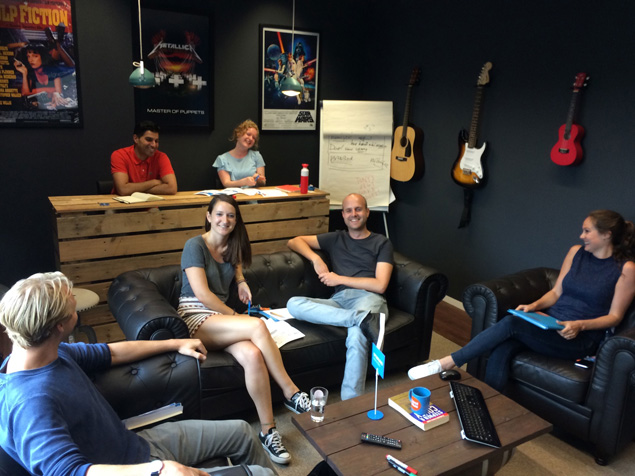
Pizza sessions start at 17:00, and end at 19:30. Usually, we start off with the assessments, as it helps
bring the group closer together. After that, we discuss the theory of the book, supported by a presentation.
Throughout the presentation, we’ll perform several exercises that help us understand the theory. Naturally,
we’ll also discuss the results among each other. Oh, and before I forget, there’s pizza as well.
Usually around 18:00.
Each topics is divided into two sessions. This way, we can start off the second session by discussing what
we’ve learned during the first one. It’s also the perfect moment to share how we’ve put our learnings into
practice.
So far, we’ve organized 22 pizza sessions, during which we’ve eaten around 110 pizza’s. And we’re planning
to organize even more sessions. We started doing this in the IT Department of Coolblue, but due to its success,
it quickly spread to the whole of Coolblue. The sessions are, of course, voluntary and take place outside of
working hours. And, as we often do, we’ve asked for feedback with via a Google form. And guess what? Our
pizza sessions are a great success!
As you probably already know, we always try to make our customers happy. But sometimes, investing some time
into makings ourselves happy can be good thing too!
First Things First
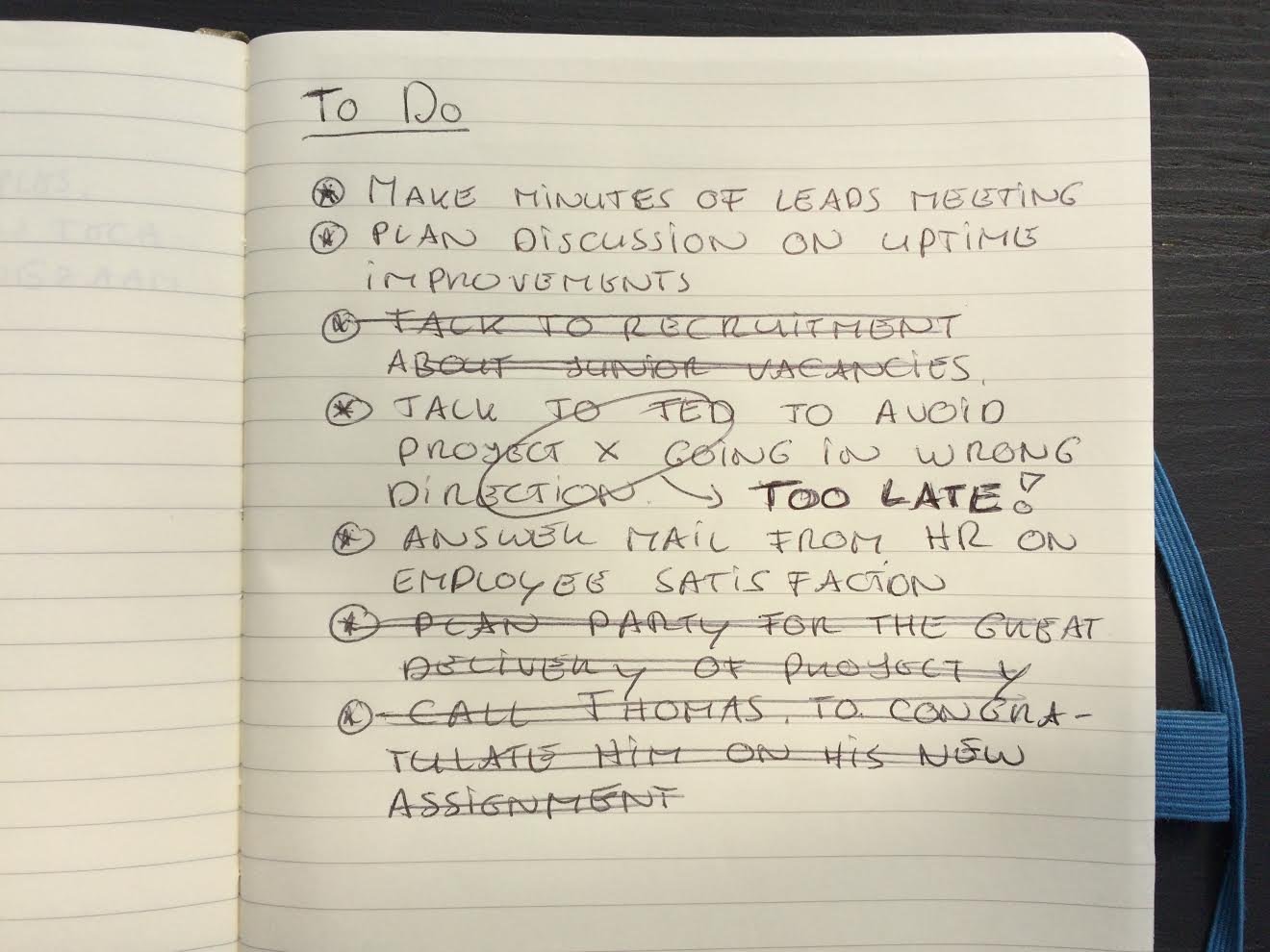
May 2017. Do you know that feeling? When you’re looking at your to-do list, trying to decide
where to start. Your eye catches a specific item, but you don’t really feel like doing that one right
now. You decide there’s still plenty of time to do it later and put it aside. Besides, there are several
urgent items on the list which can be completed much more efficiently. So you decide to complete these first.
The next day, you still haven’t gotten around to it. Things simply didn’t go the way you planned them. Luckily,
there’s still time. But then again… there are still a few urgent tasks that take priority. And before you know it,
a whole week has gone by. And the item is still on your to-do list.
These tasks are often put on the backburner because they make you feel uncomfortable. Or because they force you
to really think about a difficult problem, to which you might not know the answer. But by now, the original task
has snowballed into a much bigger one. What’s worse, it’s going to require even more effort.
So, what happened? You probably didn’t set the right priorities, but where did it go wrong?
Just know this: it wasn’t your fault. You were probably just adhering to one of the many different time management
structures that are out there.
But what do these methods actually teach you? Most of them help you to set goals for yourself and establish long-term
achievements. Once that’s done, you can start defining smaller steps, metrics, or KPIs which you can keep track off in
a dashboard or similar tool. In turn, these tools help you to evaluate your progress and help you set short-term priorities.
At Coolblue we employ a time management tool called Remember the Milk (RTM) a training that is taught at the Coolblue
University (our in-house academy). But there are plenty of other helpful books and techniques. Like Getting Things Done,
by David Allen; The 7 Habits of Highly Effective People, by Stephen R. Covey; and Busy, by Tony Crabbe.
Do these strategies actually help you to finish your work in time? Well, only partly. They advise you to take multiple
steps in order to structure your assignments, which looks great on paper… but adds more items to your to-do list. Nevertheless,
these steps do help with cleaning up irrelevant/obsolete tasks. While these techniques can be useful, I believe that 1 important
aspect is often overlooked. The most difficult part of time management: discipline.
By optimally utilizing the available hours for each available day you automatically become more effective at achieving your
goals. But with so many distractions, like e-mail, interesting colleagues, and smartphones, this is far from easy. Then how
we deal with these issues? Let me share 2 of my favorite tips with you. First, you can eliminate multiple distractions by
simply turning them off. Like Hangouts, Slack, or Skype. If this isn’t possible, try to schedule dedicated time slots for them.
Checking your inbox, for example. Do you really need to immediately read all incoming mail? Probably not. For most jobs,
reading your e-mail twice a day is sufficient.
For my second tip, if you’re really busy and don’t feel like doing any of the things mentioned above, always start with your
least favorite task. This is usually the item on your to-do that gets completed last. Don’t think about it, just do it. Trust
me, it’ll make your life much easier. Why? Because completing this task will make you feel good about yourself. You’ll have
more energy, which allows you to get more work done. Postponing it will only make things worse; both in your mind and in real
life.
Plus, there’s an added bonus to this approach. People tend to postpone things they don’t like. Especially when these things
take them out of their comfort zone or greatly affect their long-term goals. However, if you make sure to start out with your
least favorite tasks, chances are that you’re making good progress on your priorities and feel good about completing them.
You should try it sometime.
Cherry Picking
We are building the Jumbo Tech Campus since October 2017. The Jumbo Tech Campus is the software development organisation of Jumbo. And since we wanted the Jumbo Tech Campus to be an
organisation based on Agile principles, we re-organised ourselves halfway 2018. We implemented a new structure in our
organisation that stimulates us to work in multi-disciplinary scrum teams and that allows us to scale.
Why? Well, Jumbo is a fast growing company that meanwhile transforms into a more technology focused company, so as an IT team, we need to be able to innovate and scale.
Our new structure
The organisational structure we implemented is pretty straight forward. We wanted to implement a best-practice, so that’s what we did. We started with the teams, these needed to be multi-disciplinary. Meaning that a team has all the skills to be able to implement a user story from A to Z. Depending on the task our teams have, they can consist of developers, testers, consultants, ops, designers etc. This makes sure that teams can implement stories from the start to the end.
The team has a product owner, who is in charge of the backlog and one of the team members of the team acts as a scrum master. We thrive to have all dedicated product owners and from experience we have learned that 1 product owner can support two teams. The teams also have a team lead, who is mainly focussed on coaching the team on both hard & soft skills, hiring the right people and keeping an eye on the delivery of the team. So the team lead is the “HR manager”.
Two teams often have one team lead and one product owner. If you make a drawing it looks like this:
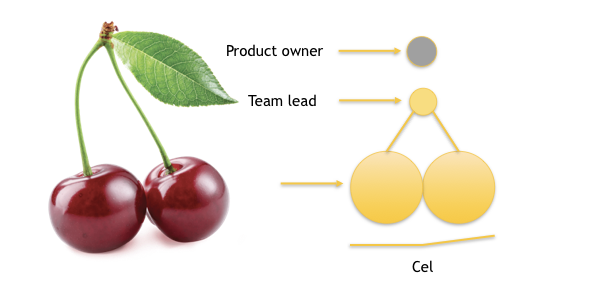
Indeed it looks like a cherry, which is a great metaphor for an agile team. Since a cherry has a strong pit, which stands for the hard skills a team needs to be effective. Team members need to be good at testing, developing or whatever their role is in the team. But a cherry also has a soft part, surrounding the whole pit. This stands for the soft skills a team needs to be effective. They need be a good team, working together not afraid to make mistakes and to get and give each other feedback.
Two teams with one lead we call a cell within our organisation and since we are a development team of around 300 people we have 35 teams all of them organised in the same way. There are around 15 team leads which are organised in three areas: Core, Digital and Data. These areas are managed by the development managers, so the team leads report into them.
Learning
One of the principles behind our development organisation is learning. We believe that when people can develop themselves, their job will be challenging, they will be more effective and more motivated to achieve great things together for Jumbo. Our organisation and our processes need to be set-up in such a way that it is easy for all members of the team to get feedback and learn. The scrum proces in itself is, of course, a good example of that, but also the team lead is very much focussed on coaching her/his team. Now we run into an issue, our teams are multi-disciplinary and it is the task of a team lead to coach the team also on hard-skills. Most of our team leads are from a development background and therefore coaching people in for example design, or testing is a challenge.
Pathfinders
Luckily we have one other team in our department, which is called our pathfinder team. Pathfinders are guru’s, really good at a specific skill. For example design, or agile and we have quite some technical pathfinders, focused on microservices, or infrastructure. Pathfinders have different tasks, one is to help team leads to coach on hard skills. Especially in the areas that team leads aren’t very much skilled in. So our Design pathfinder helps many leads to recruit the right people for their teams.
The name pathfinders isn’t accidentally chosen, they do “find the right path”. Especially between the different teams. We like the teams to be very autonomous, making a lot of decisions themselves. But teams do not always know the answers themselves and they like to get help. Also there are topics that should be aligned for the whole department. Things like code guidelines, design guidelines etc. These are all typical pathfinder topics.
We always say that making mistakes is not a problem. As long as you learn from them and do better next time. On the other hand, we have 35 teams. And although making mistakes is part of the learning proces, we do not have to make the same mistake 35 times. Pathfinders avoid this.
How do we innovate?
We’ve implemented this structure to be able to innovate faster. How does this work. Well, scrum is a process in which you try to make all improvements small and fast. Making sure that you can develop new stuff quickly, implement it quickly and learn what your users/customers think of it. Which this feedback you can improve your software until it is good enough. Within our E-commerce environment we are pretty far in this sense. We can already release more times per day.
How does this organisation scale?
The organisation is pretty straight forward and scales by adding more cells to the structure. More cherries in the tree so to speak. This means we’ll have more teams, more team leads and maybe an extra development manager is needed at a certain point.
Best practice
In general, I believe Jumbo should, when talking about IT, have a best-practices strategy. In the end we are in the business of selling groceries the best way possible and not in the business of inventing new (software development) processes. So the whole story above is not unique for an IT team. It is mainly a best-practise within the IT world on how software should be build and how an IT team should be organised.
Cherry-model
As said, we are in this new organisation now for a few months. So now we start noticing how things work out. This is the moment that your team members start asking questions. Very relevant questions most of the time. And there is one question that is asked many times, especially by people that have seen other agile implementations in other companies:
Why is a scrum master not a dedicated function in itself, but a role of someone in the team? And why is there a separate team lead who is HR responsible?
I heard people talking about the “cherry-model” of Jumbo. In the beginning I didn’t understand why people talked about it. We implemented a best-practice, so what was special about the Jumbo version?
But later I realised, when designing our organisation we followed the scrum principles very thoroughly, “scrum-by-the-book”. Maybe a bit more than most companies do. So we indeed might have done something a little bit different than the mainstream. And I believe this was a very wise choice, let me explain why.
The essence of scrum is not implementing the process we all know, the rituals. It is about building a culture and building cultures isn’t easy. To make that happen in a big development team you need to do a lot. Actually everything that can help, you should do. And that’s the reason why I strongly believe the cherry model works. One thing to add here is that I do not believe in completely autonomous teams. I do believe in fairly autonomous teams; especially in larger IT teams I believe that some kind of normal HR is needed and actually very much appreciated by the people that work there. One of the reasons is that work motivation is very often strongly related to the speed in which you can learn. Learning fast is very often facilitated by some kind of mentor or coach and that is very often your manager or lead.
To build a scrum culture you need to do everything you can to make it easy for people to talk about their mistakes
With the cherry model you split the responsibility of HR from the responsibility to make the scrum proces work. Meaning the team can do its proces as autonomous as possible, without a manager kind of type interfering. So when you are in a retro, the lead doesn’t need to be there making it safer to talk about your failures.
Also sometimes teams get in trouble, they can’t solve it themselves anymore. A lead is than an outsider, objective to whatever matter is at hand.
Why Lego-Technic is the microservices architecture of toys
Like many bigger IT teams do, within the Jumbo Tech Campus we often talk about the development of our IT architecture. What parts do we want to develop ourselves, which parts would we like to develop in collaboration with our partners. And with whom do we want to do what. In my experience companies have a growth path when talking about technology, organisation and partnering. In the last 2 or 3 decades most companies have made steps in their development. Recognising those phases helps in defining where your IT currently is and what to do to improve it.
Read more on Medium
OKR template for teams
If your team has clear goals, they can be more focused and therefore be more effective. A popular framework for defining and tracking objectives is OKR (Objectives & Key Results). It was originally created at Intel and later adopted by Google, where they use it intensively. Apart from within these bigger companies, I believe the OKR framework can work for every size of a team or company. I have created a template in Google Sheets, feel free to copy and use it for your company or team.
Any remarks, or experiences with this template? Please share with me to help me improve it.

Growing at high-speed while keeping our culture
March 2016. Two years ago there were 38 of us in the IT development department of Coolblue.
As a company we grew very fast and our backlogs were long and expanding. We had
to do something about that and we decided that we wanted to hire 100 more developers.
And we did!
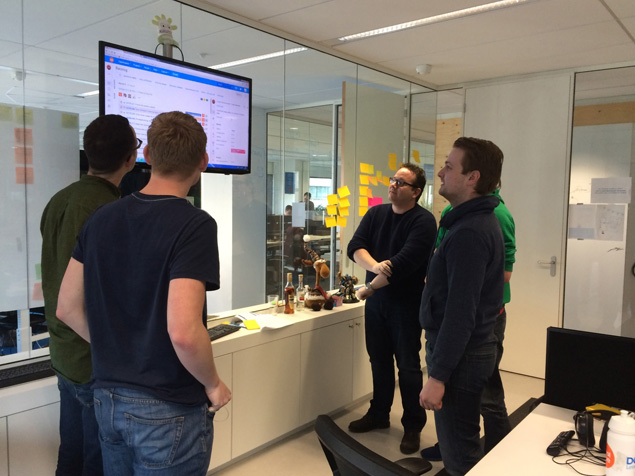
The IT development team and the IT recruitment team have worked closely together and at the moment we
are a team of 130 coders, growing with 5-10 every month.
What kind of people? Well, with PHP skills, C#, Node.js and Delphi. People with UX skills, but also system engineers, since
we manage our own hardware. Business analists and data scientists who analyse our data and many others.
People often ask us , how do you manage to grow this fast as an IT team? Great that you are able to
find all these people, but once they are on the team how do you manage to work well together? Good question
and for us this question has a list of answers. Let’s discuss a few.
Recruitment
One of the answers lies in the recruitment itself. And it’s not just about hiring the greatest engineers.
As every company, we try to find the best people, medior or senior people who have been working in their
specific profession for a while. But besides the fact that you need to be skilled to work in our team, we also want
you to fit our team, our culture. Why? It’s like selecting a soccer team, to get great results we need great teams.
Not a bunch of individuals that like to show off. A great team passes the ball to one another, so that someone
in a good position can score a goal. For that we need team players, people that know when to score themselves and
when to help others to score.
Scrum
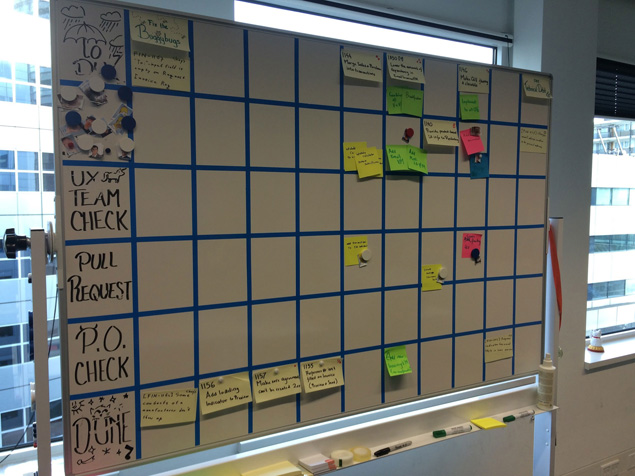
Another answer I can give is our development process. We use scrum, like almost every successful IT team. I know,
that’s not original at all! But for us it’s really a root cause why we can work efficiently together. Why is scrum
so useful for us? Everyone knows it and in the rare cases when this isn’t true, you can buy a book or go on a course
and learn it quickly. The more we do it, the more we get experience with it.
Failing
We manage our growth through the way we deal with things that go wrong. We use this phrase “every day a little bit
better”, very often. What does it mean exactly in Coolblue? Well, we fail every day, when making code, when releasing
code, when configuring a server or when making changes in the way we organise ourselves.
But we really focus on making small steps. We do continuous deployment, releasing daily several times with small
adaptations to our software. So yes, our site and our internal systems go down once in awhile. But when it happens we
make small mistakes, when the site fails because of a release, it is only for a few minutes because we have scripts to
roll-back very quickly. When we release functionality that doesn’t make the lives of our users easier, it is probably
in an A/B test so we notice it before the functionality is all over the site. Or when we try to work in a different way
together as a team, we normally start with a pilot. Our new feedback system (replacing appraisals) is being trialed with
a few teams before everyone uses it. When things go wrong, we don’t react by blaming each other or with other nasty
reactions. We evaluate what went wrong and we try to learn, to do a little better the next time. This ensures we are not
afraid of failing and since we are not afraid, we dare to change fast and therefore learn fast.
There are more answers to the question on how we manage to grow so fast as an IT team without falling apart, but these
are some of the major ones. I hope it is clear that we’re not perfect, nor are we magicians. But we are a talented team,
not afraid to talk about the mistakes we make. We’re open to each other and try to work together as well as we can. Our
plans for the future? We’ll find another 100 people to join our team. So if you happen to be a great engineer, please take
a look at our website CareersatCoolblue.com and who knows, in a few weeks you might be part of one of the greatest IT teams
in the Netherlands!
Hamburgers & Knowledge sharing at Coolblue Tech
In 2014, we created an event called “Behind the Scenes” [BTS] at Coolblue. And over the
years, not much has changed. The event starts off with hamburgers at around 18:00, followed
by a few presentations about various topics, delivered by people who work at Coolblue Tech.
After that, we treat our guests to a tour of the office and show them our cool meeting rooms.
To wrap things up, we enjoy a few drinks at our very own bar, located in the cafeteria.
Once all of that’s done, there’s only 1 thing left to do: making sure that everyone leaves
before midnight. 😉
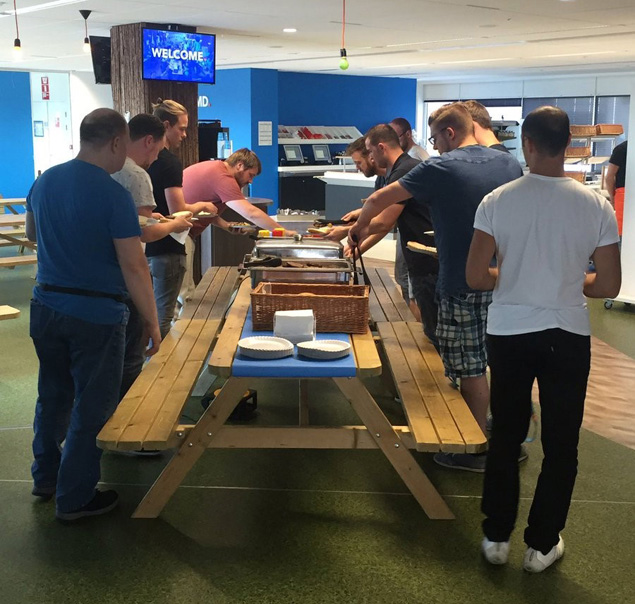
Coolblue Tech’s a pretty big department, with a bunch of interesting people from different
backgrounds. Thanks to this, there’s a broad variety of subjects and skills that we’re able
to expand on during our presentations. So you’re always in for a treat. Topics can include
interesting new technologies that we’ve discovered, useful technical tricks we’ve found out
about, or simply how we do things at Coolblue. We even hosted a “failure” night once, during
which we shared 5 informative stories about epic failures at Coolblue.
Everyone who’s interested is free to join our BTS event, but we often have to close the sign
ups early because we’re sold out. So far, we’ve organized 13 events and served more than 1000
hamburgers, which should roughly align with the number of visitors. How’s that for math?
But why do we even host this event in the first place? Well, for plenty of reasons. Allow me
to share a few of them:
-
When we first started out in 2014, we mainly created the event in order to hire new colleagues.
And we thought the best way to do this was by giving prospective hires an insight into Coolblue.
Because who wants to work for a company that he or she doesn’t know? Even today, this is
still one of the main reasons we host the BTS event.
-
It’s the perfect opportunity for sharing ideas, having discussions, and receiving feedback.
Afterward, our presentations often lead to lively discussions at bar. At the end, we hope
that we’ll both our visitors and us will have learned a thing or two.
-
The BTS event serves as the perfect opportunity to expand your business network. We’re all
in the IT industry, and it can be pretty informative to get to know some colleagues at other
companies that face challenges similar to ours. A lot of people are interested in Coolblue,
and even high profile people like CTOs and CIOs visit our event. We’re all equals, so while
you’re chomping on your burger, you can ask the how they built their careers.
-
We’re also invited to other events ourselves. For example, Matthew Hodgkins and Flynn Bundy
were recently invited to talk about their work regarding containers, PowerShell Desired State
Configuration and ChatOps, at conferences in Hannover and Singapore. Thanks to their experience
with delivering presentations during BTS, they were well-equipped to perform on an
international stage. So, BTS is sort of like a learning school as well.
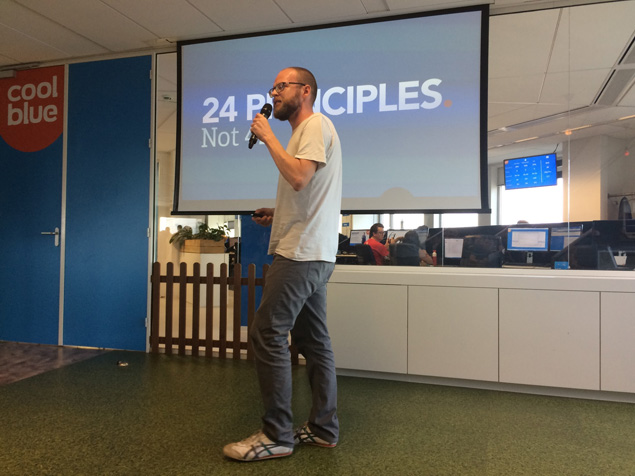
Whew, all of this makes it sound like hard work. But don’t worry, we love doing it! We
like our work, and we’re pretty proud of our achievements. But most of all, it’s fun to share
this with all of you.
Would you like to attend BTS as well? Good news! We’ve organized plenty of new events in 2017.
Tech Pets
May 2017, Not long ago I saw someone using ftp, a protocol that is used as long as I can
remember to move files, 25 years or so. We started talking about the funny little Fetch (see below), that
used to be there, running from the server with the files to the server that was supposed to get
them.
Just after that I started working on a presentation for my team and since the stuff I needed to tell was a
little boring (numbers, they normally don’t like that) I was looking for something to lighten up the story.
And what do you do in these circumstances (well at least I do)? Yep, you look on the internet for a funny
looking cat, there are plenty. A Tech presentation isn’t complete without a cat on the slides nowadays.
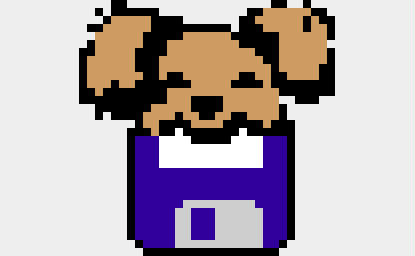
This made me think. In the old days, when internet was not so commonly used, I remember a lot of
dogs. Fetch, the ftp dog, when I needed to upload a new version of a website. And Rover, part of
the worksuite Microsoft Bob. A little animation that explained you how Windows was working, since
they couldn’t get their UX right. And Lycos, one of the first search engines on the internet,
also a dog.
What happened? Did cats replace dogs in the Tech World?
Today not only presentations contain cats, also in softwarelogos we find cats. The Github logo
is a cat, same for GNUzilla, Icecat, Scratch and many more!

Cats in the IT-world are all over the place now. Why? I wasn’t able to find a good explanation
for that, other than as people we just like cats in general. I read some statistics and there
are 2 mln videos with cats on you tube, which are viewed 12.000 times on average, the highest
average of all categories. Apparently as humans we love to look at cats.
And a cat being a practical and cute pet. A perfect combination for a techie, since a cat happily
stays home alone as long as you don’t forget to feed it once and a while. Handy when you have a
busy job.

Maybe as IT people we used to be in love with dogs, but we grew up and started loving cats
instead? My husbands pointed out that already from the beginning the Apple OS X versions had
cat-like names (Cheetah, Puma, Jaguar, Panther, Tiger, Leopard, Snow Leopard, Lion, Mountain Lion).
Is it the growing Apple influence that we have changed our minds? Or maybe the cat popularity is
just a hype that will pass by?
Well, it is a mystery to me. I can’t remember any cat-like software logos or names from 20 years
ago. Also I can’t remember cats being as popular on the internet as they are today. If you do,
please put it in the comments section of Linkedin! I love to hear more thoughts on this subject.
The WWW? What is it and what can Philips Media do with it?
June 1995. This was the title of my thesis. At the time I wrote it, internet wasn’t commonly used, I was studying Industrial Design at the Technical University
of Delft. I was in my 4th year when I took an internship at Philips in Eindhoven. I was working at the CD-i
department of Philips (Philips Media). CD-i stood for Compact Disc Interactive and it used to be a competitor
of the CD-rom.
Download the report in pdf.
